Beyond Brand Locks: Embracing Universal RGB Lighting Synchronization Software
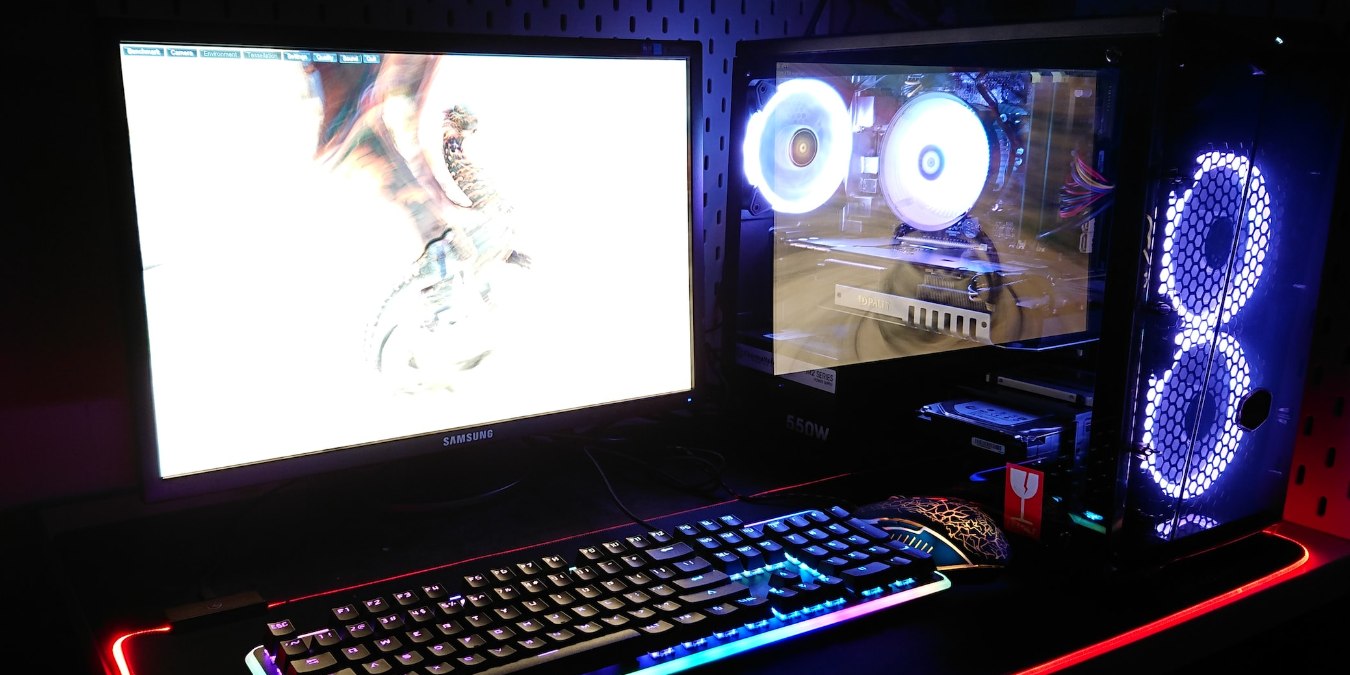
In the vibrant world of PC customization, RGB lighting has become a cornerstone, transforming drab setups into dynamic showcases of personal style. From glowing keyboards and mice to illuminated motherboards, RAM, and case fans, these pulsating hues add undeniable flair. However, the dream of a perfectly synchronized light show often clashes with a frustrating reality: the dreaded "brand lock." Each major manufacturer, be it Corsair, ASUS, MSI, or Gigabyte, offers its own proprietary software, often incompatible with components from other brands. This fragmentation leads to a cluttered system tray, resource-heavy background processes, and a disjointed lighting experience. This is where rgb lighting synchronization software steps in as a game-changer, offering a unified solution to control all your dazzling components from a single, intuitive interface.
The quest for seamless RGB control, free from the limitations of manufacturer-specific applications, is more critical than ever. Whether you're a seasoned PC builder with a mixed bag of components or someone just starting to explore the magic of personalized lighting, choosing the best universal RGB software can make all the difference. Ditching the need for multiple apps not only streamlines your system but also unlocks a new level of creative freedom, allowing you to craft truly unique and immersive lighting effects across your entire setup.
The Challenge of RGB Fragmentation: Why Universal Software Matters
Imagine trying to conduct an orchestra where each musician uses a different sheet music format and a different language. That's essentially the experience of managing multiple RGB components with their respective, brand-locked applications. Corsair iCUE, while powerful for Corsair products, can't touch your MSI motherboard's LEDs. ASUS Aura Sync, beloved by many, remains confined to ASUS devices. This ecosystem creates several significant drawbacks:
- Bloated Software Footprint: Running several lighting control applications simultaneously consumes valuable system resources, potentially impacting gaming performance or general system responsiveness.
- Inconsistent Lighting: Achieving a cohesive lighting theme across different brands becomes a manual, often impossible, chore. You might have your keyboard pulsing red while your GPU cycles through a rainbow.
- User Interface Overload: Navigating multiple, often distinct, user interfaces just to adjust your lighting is tedious and inefficient.
- Limited Creativity: The inability to synchronize effects across your entire setup stifles creativity, preventing you from developing truly integrated and immersive lighting designs.
Universal RGB sync software for all devices directly addresses these issues. By acting as a central hub, it liberates your RGB components from their brand-specific prisons, allowing them to communicate and synchronize under one roof. This unification means less bloat, more consistent aesthetics, and unparalleled creative control over your lighting environment.
Top Contenders for Universal RGB Lighting Synchronization Software
When searching for the ideal universal rgb lighting synchronization software, several powerful options stand out. Each brings its own strengths to the table, catering to different user needs and technical proficiencies.
Skydimo RGB Lighting Control Software
For DIY enthusiasts and users eager to embrace the cutting edge, Skydimo RGB Lighting Control Software offers a compelling proposition. Recently updated, this software boasts support for dozens of major RGB brands and over 1,500 devices, providing a truly unified control experience. Skydimo goes beyond basic synchronization, offering:
- Richer Lighting Modes: A vast array of preset effects and dynamic patterns.
- Flexible Layout Customization: Visually map your components to precisely control how effects flow across your setup.
- AI-Powered Scripting Control: For those who want to unlock smart RGB: AI-powered control for personalized PC effects, this feature allows for complex, intelligent lighting adjustments based on various triggers or conditions.
- Redesigned UI: An intuitive and modern interface makes adjusting lighting smarter and more enjoyable.
Skydimo is designed for everyday use with modern RGB devices, making it a strong choice for users seeking comprehensive control and advanced features.
OpenRGB
As the name suggests, OpenRGB champions open-source collaboration and unparalleled device compatibility. It's a truly independent solution, designed from the ground up to work with virtually all RGB devices, irrespective of the manufacturer's software. This makes it a go-to for anyone with a mixed hardware setup who values transparency and community-driven development.
Key advantages of OpenRGB include:
- Absolute Broadest Hardware Support: From motherboards and GPUs to RAM and peripherals, OpenRGB aims to support everything.
- No Registration, No Ads, No Bloat: A lean, efficient application that respects your system resources.
- Network-Based SDK: Allows for powerful third-party integrations, enabling game-driven lighting, music visualization, and custom plugins.
- Graphical LED Layout: Helps users visualize and precisely control effects across their physical setup.
- Cross-Platform Compatibility: Available on Windows, Linux, and macOS, catering to a wider user base.
- Command-Line Control: Advanced users can script and automate lighting changes.
OpenRGB is ideal for those who prioritize maximum compatibility, minimal overhead, and the flexibility of an open-source ecosystem.
SignalRGB
From WhirlwindFX, SignalRGB focuses on delivering an immersive experience, particularly for gamers. It offers extensive support for numerous games, allowing your lighting to react dynamically to on-screen action, creating a more engaging environment. SignalRGB comes in two versions, with the free version providing substantial functionality:
- Complete Hardware Compatibility: Supports a wide range of devices for unified control.
- Extensive Lighting Effects: A rich library of effects that are easy to browse, install, and apply.
- Mouse CPI Control: Integrates peripheral adjustments alongside lighting.
- Streamlined Experience: Designed for straightforward setup and application of effects, making it simple to get stunning results quickly.
SignalRGB is particularly well-suited for users who want effortless aesthetic customization and deep game integration to enhance their gaming sessions.
While proprietary solutions like Corsair iCUE, MSI Mystic Light, and ASUS Aura Sync offer robust control within their respective ecosystems, their brand-locked nature is precisely what universal solutions aim to overcome. They serve as excellent examples of the fragmentation that universal rgb lighting synchronization software seeks to solve, highlighting the value of a single, all-encompassing application.
Key Features to Look for in Universal RGB Software
When selecting your ideal rgb lighting synchronization software, consider these crucial features to ensure it meets your specific needs:
- Broad Device Compatibility: The more brands and devices it supports, the truly "universal" it is. Check compatibility lists before committing.
- Rich Lighting Modes & Customization: Look for a wide variety of preset effects, as well as the ability to create and customize your own. Advanced features like AI-powered scripting or layer-based effects offer unparalleled control.
- Intuitive User Interface (UI): A clean, well-organized, and easy-to-navigate UI is essential for a pleasant user experience. Visual mapping of your setup is a bonus.
- Performance & Resource Usage: Universal software should ideally be lightweight, consuming minimal CPU and RAM, especially during intensive tasks like gaming.
- Community Support & Development: For open-source options like OpenRGB, an active community ensures continuous updates, bug fixes, and new feature development.
- Cross-Platform Support: If you use multiple operating systems (Windows, macOS, Linux), software that supports them all offers greater flexibility.
- Integration Capabilities: Features like game integration, music visualization, or an SDK for third-party plugins significantly enhance the lighting experience.
- Profile Management: The ability to save and load different lighting profiles for various activities (gaming, work, movie watching) is incredibly convenient.
Practical Tips for Optimizing Your RGB Setup
Once you've chosen your preferred rgb lighting synchronization software, a few practical tips can help you achieve the best possible results:
- Uninstall Redundant Software: Before installing a universal solution, uninstall all manufacturer-specific RGB software. Running multiple control applications can lead to conflicts, crashes, and performance issues.
- Check Compatibility Lists: Always verify that your specific hardware components are officially supported by the universal software you choose. This can save you a lot of troubleshooting headaches.
- Start Simple: Begin with basic static colors or simple breathing effects to ensure everything is working correctly before diving into complex, dynamic patterns.
- Experiment with Effects: Don't be afraid to play around with different lighting modes, speeds, and colors. The beauty of universal software is the creative freedom it provides.
- Monitor System Resources: Keep an eye on your CPU and RAM usage, especially if you experience performance dips. Some lighting effects can be more resource-intensive than others.
- Update Regularly: Software developers frequently release updates that include new device support, bug fixes, and performance improvements. Stay current to ensure optimal functionality.
- Join the Community: For open-source projects like OpenRGB, engaging with the community forums can provide solutions to niche issues, tips for advanced customization, and insights into upcoming features.
The journey beyond brand locks into the realm of universal rgb lighting synchronization software is one of liberation and creative empowerment. By carefully selecting the right tool and applying these practical tips, you can transform your PC setup into a unified, visually stunning masterpiece that truly reflects your unique personality.
The days of juggling multiple applications and dealing with disjointed lighting are rapidly becoming a thing of the past. Universal RGB software solutions like Skydimo, OpenRGB, and SignalRGB offer compelling pathways to a harmonized and highly personalized lighting experience. By embracing these innovative tools, you're not just controlling lights; you're orchestrating a symphony of color that enhances your desktop environment, immerses you deeper into games, and ultimately, elevates your entire PC experience. Choose wisely, customize boldly, and let your setup shine with newfound brilliance.